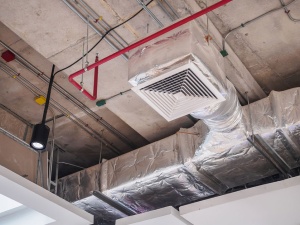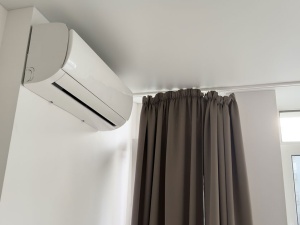


Running a business means relying on a well-functioning air conditioning system, especially during the hottest months of the year. When your commercial AC suddenly stops cooling, comfort levels drop, productivity declines, and in some environments, such as restaurants, product loss or compliance risks can escalate quickly. Knowing how to respond helps minimize downtime while protecting both your staff and customer experience.

Common Causes of Commercial AC Cooling Failures
The climate can place commercial cooling systems under significant stress. Here are some of the most common reasons your AC may not maintain the desired temperature:
- Clogged Air Filters: Commercial HVAC systems collect dust and debris more quickly because of higher occupancy and longer operating hours. A clogged filter restricts airflow, forcing your unit to work harder while reducing efficiency. Filters should be inspected at least once a month, especially during peak cooling season.
- Refrigerant Issues: Low refrigerant levels or refrigerant leaks are common, particularly in older systems or units with heavy usage. Without sufficient refrigerant, your AC cannot effectively remove heat from indoor air, preventing it from reaching the desired temperature. This type of repair should always be handled by a qualified professional.
- Dirty Coils: Both the indoor evaporator coil and the outdoor condenser coil must remain clean for efficient heat transfer. Dirt, grease, and other debris can quickly accumulate on these components, significantly reducing cooling performance and energy efficiency.
- Frozen Evaporator Coil: A blocked air filter, dirty coil, or low refrigerant level can cause the evaporator coil to freeze, preventing your AC from cooling properly. Allow the coil to thaw, check the filters and airflow, and contact a professional if the problem persists.
Troubleshooting Steps Before Calling for Service
Some preliminary checks may help resolve the issue before professional service is required:
- Check the thermostat settings and confirm it is set to “Cool.”
- Inspect the air filters and replace them if they are dirty.
- Look for visible ice buildup on AC components.
- Check the indoor and outdoor units for unusual noises or visible obstructions.
- Confirm that all supply vents and registers are open and unobstructed.
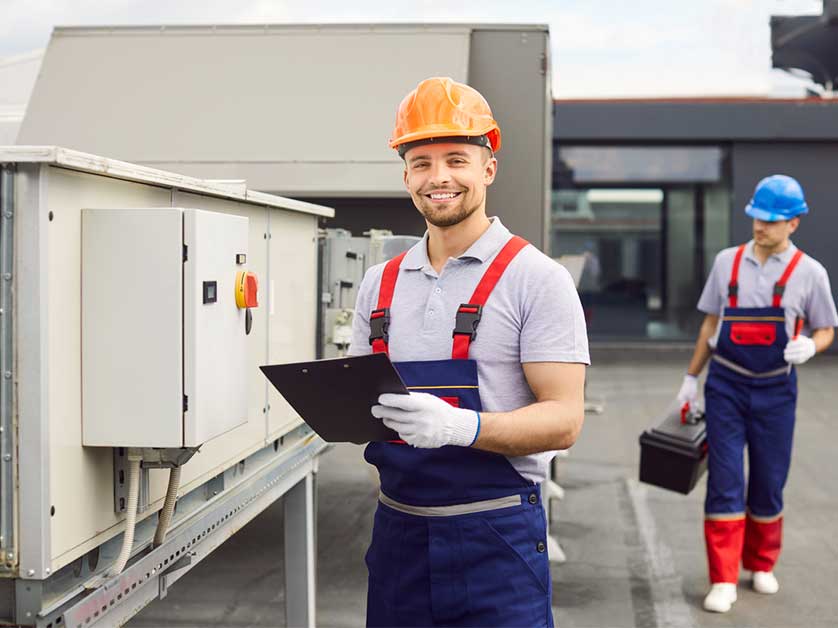
If these steps do not resolve the issue, the problem likely requires a certified HVAC technician.
Why Prompt Service Matters for Restaurants and Specialty Businesses
Many businesses depend on reliable air conditioning not only for comfort but also for regulatory compliance and protecting valuable inventory. This is especially important for food service establishments. If your facility relies on both air conditioning and restaurant refrigeration, a cooling system failure can compromise food safety, increase the risk of health code violations, and result in costly product loss. Maintaining the proper indoor temperature is essential for restaurants, cafeterias, catering businesses, and other commercial facilities.
The Link Between Cooling Failure and Indoor Air Quality
A malfunctioning commercial AC system affects more than just comfort. Restricted airflow or reduced system performance can increase indoor humidity, creating conditions that encourage mold growth. Poor cooling can also reduce ventilation, allowing pollutants and allergens to accumulate indoors. Scheduling regular indoor air quality testing helps determine whether HVAC issues are affecting your building’s environment. This is especially important for offices, schools, healthcare facilities, and restaurants where employee wellness and regulatory compliance are top priorities.
Preventative Maintenance Is Your Best Line of Defense
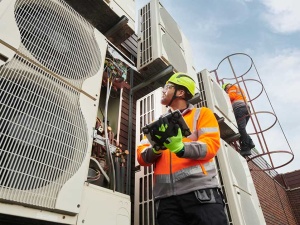
Routine maintenance remains the most effective way to prevent unexpected breakdowns. Regular inspections by a qualified provider like Dittmer Air and Heat can identify small issues before they become major problems or require emergency repairs. During maintenance visits, technicians inspect refrigerant levels, clean coils, examine electrical connections, and evaluate overall system performance. Preventative maintenance extends the lifespan of your equipment and helps you plan for future repairs or replacements before peak cooling season.
Call Dittmer Air and Heat for Rapid Commercial AC Solutions
If your commercial AC has stopped cooling, don’t risk additional business disruptions or costly losses. Dittmer Air and Heat provides prompt, professional HVAC air conditioner repair and comprehensive maintenance for all types of commercial buildings, from offices and medical facilities to retail stores and restaurants. We also offer indoor air quality testing testing to help ensure your workplace remains comfortable, healthy, and compliant. Give us a call at (321) 637-0170 or fill out our contact form to get started with your commercial HVAC needs in Cocoa, FL.