

Commercial HVAC systems in Cocoa, FL, face heavy use due to the hot, humid climate that dominates much of the year. Over time, these systems lose efficiency, experience more frequent breakdowns, and drive up operating costs. Upgrading an aging HVAC system may seem like a significant investment, but it offers a range of valuable benefits that can quickly add up for local businesses.
… Continue Reading
Transitioning Your Commercial HVAC from Cooling to Heating
As temperatures begin to drop and businesses shift their focus from summer comfort to maintaining warmth, it is essential to transition your commercial HVAC system from cooling to heating with careful planning. In Cocoa, FL, the seasonal shift can be subtle due to the mild winter weather, but proper preparation helps ensure consistent comfort, improved system efficiency, and fewer costly service disruptions. Here is what you need to know for a smooth transition, with practical insights drawn from Dittmer Air and Heat’s experience serving local businesses.

Conduct a Comprehensive System Inspection
Before making the switch from cooling to heating, arrange for a full inspection of your HVAC system. High humidity and exposure to outdoor elements can accelerate wear and tear, especially around outdoor components and rooftop units commonly used in commercial properties. A qualified HVAC technician will:
- Check heating elements, heat exchangers, and ignition systems for corrosion or signs of damage.
- Locate and address issues in ductwork, such as blockages or leaks that could affect airflow and indoor air quality.
- Check for early signs of HVAC repair needs so that problems with relays, motors, or sensors can be addressed before increased heating demand.
A proactive inspection helps prevent breakdowns as your system shifts seasonally and allows your facility to schedule repairs on your timeline rather than in response to an unexpected emergency.
Update Thermostat and Control Settings
With the weather cooling, it is time to recalibrate your building’s thermostats. Many businesses benefit from programmable or smart thermostats, which allow for scheduled temperature settings and occupancy-based adjustments. Before the heating season begins:
- Verify that thermostat settings are properly updated for heating mode.
- Adjust preset temperature points gradually to maintain comfort.
- If you operate a zoned system, review temperature and schedule settings for individual zones to maximize comfort and control costs.
A correctly programmed thermostat helps keep energy expenses in check and maintains steady temperatures for both staff and customers.
Replace or Upgrade Air Filters
Clean air filters are one of the most effective ways to maintain system performance. After months of heavy cooling use, commercial HVAC filters can collect dust, pollen, and airborne contaminants. Replacing old filters:
- Improves airflow and reduces strain on heating components.
- Supports better indoor air quality, which is especially important in high-traffic environments.
- Helps determine whether specialty filters, such as high-MERV or antimicrobial models, are appropriate for your property.
If your business relies on HVAC maintenance from qualified providers, consider enrolling in a scheduled filter replacement program for added convenience and consistent upkeep.
Inspect and Prepare Outdoor Units
Outdoor HVAC and heat pump systems can accumulate debris and experience wear from prolonged exposure to the elements. As part of your transition plan:
- Clear leaves, branches, and other debris from around your commercial units.
- Inspect for animal nesting or insect intrusion.
- Check weather seals and wiring connections for signs of sun or rain damage.
Neglecting these steps can reduce heating efficiency or result in damage that requires heat pump repair as cooler days approach.
Test the Heating Function Before It’s Needed
Do not wait for the first cold spell to discover there is a problem with your heating system. To ensure readiness:
- Run your system in heating mode during mild weather.
- Monitor for abnormal sounds, uneven heating, or weak airflow.
- Address any issues with your HVAC service provider proactively so you are not left dealing with unexpected disruptions during business hours.
Catching problems early, such as insufficient heating output or thermostat malfunctions, is far less disruptive than responding to system failures when heating is needed most.
Schedule Preventative Maintenance With HVAC Professionals
Transitioning from cooling to heating provides an ideal opportunity for comprehensive HVAC maintenance. Local providers like Dittmer Air and Heat can deliver tailored service plans that account for your business’s operational needs and seasonal HVAC demands. Routine maintenance can help extend system life, improve reliability, and reduce the likelihood of unexpected HVAC repair costs throughout the season.
Get Ready for the Heating Season With Dittmer Air and Heat
Make sure your business is prepared for the cooler months by planning your HVAC transition with trusted professionals. Dittmer Air and Heat offers reliable heat pump repair, preventative HVAC maintenance, and efficient HVAC repair solutions for commercial facilities. Schedule your seasonal maintenance today and keep your operations running smoothly throughout the heating season in Cocoa, FL. Give us a call at (321) 637-0170 or fill out our contact form to get started.

Late Summer AC Check: Why Your System Is Working Hard Right Now
As late-summer temperatures persist, you may notice your air conditioner running nearly nonstop to keep your Cocoa, FL home or business comfortable. The reality is that extended heat and humidity make this one of the most demanding times of year for cooling systems. While a hardworking AC is expected, it’s important to understand why systems struggle right now and how professional attention, ranging from routine maintenance to air conditioner repair, can help you stay ahead of breakdowns and improve both comfort and efficiency.
The Strain of Late Summer Heat on Your Air Conditioner
By August and early September, homes, restaurants, and offices have relied on air conditioning through weeks of high temperatures, humid conditions, and frequent rainstorms. That constant demand causes:
- Dust and pollen buildup on air filters, restricting airflow and making your AC work harder.
- Condenser coils to accumulate debris, which prevents heat from being released efficiently.
- Wear and tear on vital components such as blower motors and capacitors.
- Elevated humidity, forcing AC units to remove moisture as well as heat, making their operation even more demanding.
This especially affects local businesses such as restaurants, where reliable restaurant refrigeration and commercial cooling are essential for food safety. If you’re experiencing hot spots in your kitchen, longer-than-usual cooling cycles, or rising utility bills, it may be time for a comprehensive system evaluation.
Common Signs of a Struggling AC in Late Summer
Recognizing the symptoms of late-season AC stress is key to avoiding unexpected breakdowns. Watch for these issues:
- The thermostat is set low, but rooms remain warm or muggy.
- Unexpected spikes in energy bills despite consistent usage habits.
- The AC unit runs continuously and rarely shuts off.
- Weak airflow or uneven cooling, especially concerning businesses storing perishables.
- Visible dirt on vents or around the outdoor condenser, or frequent on-and-off cycling.
If left unaddressed, these signs can quickly worsen, leading to more urgent and expensive air conditioner repair needs.
Preventive Steps for Residents and Restaurant Owners
Hot and humid conditions require proactive maintenance to keep AC systems operating properly. Here are a few best practices that Dittmer Air and Heat regularly encourages:
- Change air filters regularly during peak summer to support proper airflow and indoor air quality.
- Schedule professional cleaning for coils and fan blades, especially in high-traffic properties and food service environments.
- Keep outdoor units clear of leaves, grass clippings, and other debris.
- Have a qualified technician check refrigerant levels. Low refrigerant can cause weak cooling and system freeze-ups and may indicate a leak that needs professional attention.
For commercial properties, periodic indoor air quality testing can also be beneficial, not only for comfort but also for maintaining a healthier indoor environment for employees and customers.
How Routine Maintenance Prevents Costly Breakdowns
Regular service visits offer more than just peace of mind. Annual or semiannual maintenance can:
- Catch refrigerant leaks or component damage before major failures occur.
- Extend the lifespan of your AC by addressing minor issues, such as worn components or electrical problems, before they escalate.
- Confirm that system settings, including thermostat calibration and ductwork performance, are appropriate for late-summer demands.
- Provide valuable service documentation, especially for food service businesses that rely on precise temperature standards for both comfort and restaurant refrigeration.
In a hot and humid climate, these measures are essential for helping your system handle demanding conditions later into the cooling season.
Get Expert Help to Protect Your Comfort Now
If your system is struggling with the late-summer heat or you want to ensure reliable performance through the rest of the season, Dittmer Air and Heat is your trusted partner for air conditioner repair, restaurant and commercial cooling solutions, and indoor air quality testing. Give us a call at (321) 637-0170 or fill out our contact form to schedule your commercial HVAC service in Cocoa, FL.
How to Deal with Hot and Cold Spots in Your Office
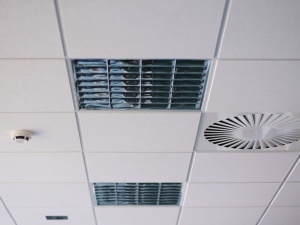
Maintaining a comfortable, consistent temperature throughout your office is crucial for productivity and morale. Yet, many offices struggle with hot and cold spots, where certain areas feel stuffy and warm while others are chilly or drafty. Humidity and strong sun exposure can intensify this problem, especially during the long summer season. Fortunately, targeted solutions and professional support can help you address these comfort issues and keep your team working efficiently.
Identifying Common Causes of Temperature Imbalances
Before implementing solutions, it’s important to determine what’s causing inconsistent temperatures throughout your workspace. Common causes include:
- Blocked or closed air vents due to office layouts, furniture, or storage cabinets.
- Poorly maintained HVAC systems, including clogged air filters or neglected HVAC maintenance, which reduce airflow.
- Ductwork leaks, disconnections, or inadequate insulation that allow conditioned air to escape before it reaches all areas.
- Thermostats located in areas with abnormal heat or cold, such as beneath windows or near heat-producing equipment.
- Aging or improperly sized equipment that cannot keep up with your office’s heating and cooling demands.
Offices with significant sun exposure or high foot traffic are especially susceptible to these issues because they create uneven temperatures and airflow challenges.
Optimizing Your Office Layout and System Settings
One of the simplest ways to minimize hot and cold spots is to evaluate how your office is arranged and how air is distributed throughout the space.
- Ensure all supply and return vents remain unobstructed. Regularly check that boxes, chairs, or filing cabinets are not blocking airflow.
- Avoid closing vents to redirect air, as this can place unnecessary strain on your HVAC system and create additional comfort issues.
- Use ceiling fans effectively. During warmer months, set ceiling fans to rotate counterclockwise to improve cool air circulation. During cooler months, switch them to rotate clockwise to help redistribute warm air.
- Consider setting your thermostat’s fan to “On” rather than “Auto” to maintain continuous air circulation. Be mindful that this setting may increase energy usage.
Addressing HVAC System Issues and Ductwork Problems
Persistent hot and cold spots may indicate more significant HVAC or ductwork issues, including:
- Dirty or aging air filters that restrict airflow.
- Leaking or poorly insulated ductwork that allows conditioned air to escape before reaching occupied spaces.
- Thermostats located where direct sunlight or nearby equipment affects temperature readings, causing the system to overcool or undercool other areas.
Professional duct sealing, insulation improvements, and thermostat relocation can make a significant difference. If your building uses a heat pump , regular inspections are equally important because heat pumps are especially sensitive to airflow restrictions and ductwork problems.
When to Consider System Upgrades and Zoning
If layout adjustments and routine maintenance do not resolve temperature inconsistencies, it may be time to evaluate your HVAC system’s age and capacity. As businesses grow, additional equipment and workstations often increase heating and cooling demands beyond what the original system was designed to handle.
HVAC zoning systems, which use separate thermostats and controls for different areas, can effectively address ongoing comfort issues. Variable air volume (VAV) systems and modern zoning controls provide customized comfort while improving overall energy efficiency, making them an excellent long-term investment for many offices.
Prioritizing Preventive Maintenance
Routine HVAC maintenance is one of the best ways to prevent hot and cold spots. Scheduling inspections before peak heating and cooling seasons helps identify minor issues before they become expensive repairs. Maintenance typically includes replacing air filters, inspecting ductwork, calibrating thermostats, and optimizing airflow. Regular service also reduces the likelihood of unexpected system failures during periods of heavy use.
Get a Professional Assessment
Consistent indoor comfort supports both employee productivity and workplace satisfaction. If your office continues to experience hot and cold spots despite your efforts, Dittmer Air and Heat can help. Our experienced technicians provide comprehensive diagnostics, HVAC repairs, preventative maintenance, and energy-efficient system upgrades tailored to your business’s needs.Give us a call at (321) 637-0170 or fill out our contact form to schedule your commercial HVAC service in Cocoa, FL.
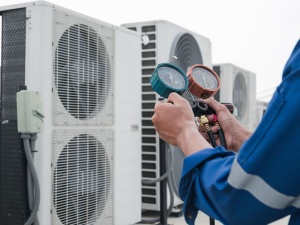
What to Do When Your Commercial AC Stops Cooling
Running a business means relying on a well-functioning air conditioning system, especially during the hottest months of the year. When your commercial AC suddenly stops cooling, comfort levels drop, productivity declines, and in some environments, such as restaurants, product loss or compliance risks can escalate quickly. Knowing how to respond helps minimize downtime while protecting both your staff and customer experience.
Common Causes of Commercial AC Cooling Failures
The climate can place commercial cooling systems under significant stress. Here are some of the most common reasons your AC may not maintain the desired temperature:
- Clogged Air Filters: Commercial HVAC systems collect dust and debris more quickly because of higher occupancy and longer operating hours. A clogged filter restricts airflow, forcing your unit to work harder while reducing efficiency. Filters should be inspected at least once a month, especially during peak cooling season.
- Refrigerant Issues: Low refrigerant levels or refrigerant leaks are common, particularly in older systems or units with heavy usage. Without sufficient refrigerant, your AC cannot effectively remove heat from indoor air, preventing it from reaching the desired temperature. This type of repair should always be handled by a qualified professional.
- Dirty Coils: Both the indoor evaporator coil and the outdoor condenser coil must remain clean for efficient heat transfer. Dirt, grease, and other debris can quickly accumulate on these components, significantly reducing cooling performance and energy efficiency.
- Frozen Evaporator Coil: A blocked air filter, dirty coil, or low refrigerant level can cause the evaporator coil to freeze, preventing your AC from cooling properly. Allow the coil to thaw, check the filters and airflow, and contact a professional if the problem persists.
Troubleshooting Steps Before Calling for Service
Some preliminary checks may help resolve the issue before professional service is required:
- Check the thermostat settings and confirm it is set to “Cool.”
- Inspect the air filters and replace them if they are dirty.
- Look for visible ice buildup on AC components.
- Check the indoor and outdoor units for unusual noises or visible obstructions.
- Confirm that all supply vents and registers are open and unobstructed.
If these steps do not resolve the issue, the problem likely requires a certified HVAC technician.
Why Prompt Service Matters for Restaurants and Specialty Businesses
Many businesses depend on reliable air conditioning not only for comfort but also for regulatory compliance and protecting valuable inventory. This is especially important for food service establishments. If your facility relies on both air conditioning and restaurant refrigeration, a cooling system failure can compromise food safety, increase the risk of health code violations, and result in costly product loss. Maintaining the proper indoor temperature is essential for restaurants, cafeterias, catering businesses, and other commercial facilities.
The Link Between Cooling Failure and Indoor Air Quality
A malfunctioning commercial AC system affects more than just comfort. Restricted airflow or reduced system performance can increase indoor humidity, creating conditions that encourage mold growth. Poor cooling can also reduce ventilation, allowing pollutants and allergens to accumulate indoors. Scheduling regular indoor air quality testing helps determine whether HVAC issues are affecting your building’s environment. This is especially important for offices, schools, healthcare facilities, and restaurants where employee wellness and regulatory compliance are top priorities.
Preventative Maintenance Is Your Best Line of Defense
Routine maintenance remains the most effective way to prevent unexpected breakdowns. Regular inspections by a qualified provider like Dittmer Air and Heat can identify small issues before they become major problems or require emergency repairs. During maintenance visits, technicians inspect refrigerant levels, clean coils, examine electrical connections, and evaluate overall system performance. Preventative maintenance extends the lifespan of your equipment and helps you plan for future repairs or replacements before peak cooling season.
Call Dittmer Air and Heat for Rapid Commercial AC Solutions
If your commercial AC has stopped cooling, don’t risk additional business disruptions or costly losses. Dittmer Air and Heat provides prompt, professional HVAC air conditioner repair and comprehensive maintenance for all types of commercial buildings, from offices and medical facilities to retail stores and restaurants. We also offer indoor air quality testing testing to help ensure your workplace remains comfortable, healthy, and compliant. Give us a call at (321) 637-0170 or fill out our contact form to get started with your commercial HVAC needs in Cocoa, FL.