

Commercial HVAC systems in Cocoa, FL, face heavy use due to the hot, humid climate that dominates much of the year. Over time, these systems lose efficiency, experience more frequent breakdowns, and drive up operating costs. Upgrading an aging HVAC system may seem like a significant investment, but it offers a range of valuable benefits that can quickly add up for local businesses.
… Continue Reading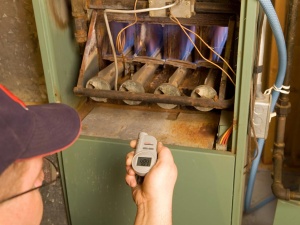
How Deferred Heating Maintenance Can Ruin Your Winter Energy Budget
As cooler temperatures arrive in Cocoa, FL, many property owners may feel tempted to delay preventative heating maintenance. While it might seem like a way to control immediate expenses, neglecting regular service can lead to increased energy consumption, more frequent emergency repairs, and premature system failures. Here is a closer look at how putting off heating maintenance can affect your winter energy budget, especially for homes, commercial spaces, and restaurants.
… Continue Reading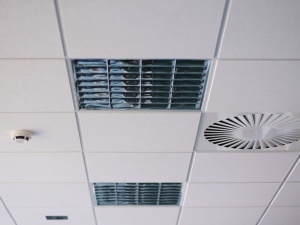
How to Deal with Hot and Cold Spots in Your Office
Maintaining a comfortable, consistent temperature throughout your office is crucial for productivity and morale. Yet, many offices struggle with hot and cold spots, where certain areas feel stuffy and warm while others are chilly or drafty. Humidity and strong sun exposure can intensify this problem, especially during the long summer season. Fortunately, targeted solutions and professional support can help you address these comfort issues and keep your team working efficiently.

Identifying Common Causes of Temperature Imbalances
Before implementing solutions, it’s important to determine what’s causing inconsistent temperatures throughout your workspace. Common causes include:
- Blocked or closed air vents due to office layouts, furniture, or storage cabinets.
- Poorly maintained HVAC systems, including clogged air filters or neglected HVAC maintenance, which reduce airflow.
- Ductwork leaks, disconnections, or inadequate insulation that allow conditioned air to escape before it reaches all areas.
- Thermostats located in areas with abnormal heat or cold, such as beneath windows or near heat-producing equipment.
- Aging or improperly sized equipment that cannot keep up with your office’s heating and cooling demands.
Offices with significant sun exposure or high foot traffic are especially susceptible to these issues because they create uneven temperatures and airflow challenges.
Optimizing Your Office Layout and System Settings
One of the simplest ways to minimize hot and cold spots is to evaluate how your office is arranged and how air is distributed throughout the space.
- Ensure all supply and return vents remain unobstructed. Regularly check that boxes, chairs, or filing cabinets are not blocking airflow.
- Avoid closing vents to redirect air, as this can place unnecessary strain on your HVAC system and create additional comfort issues.
- Use ceiling fans effectively. During warmer months, set ceiling fans to rotate counterclockwise to improve cool air circulation. During cooler months, switch them to rotate clockwise to help redistribute warm air.
- Consider setting your thermostat’s fan to “On” rather than “Auto” to maintain continuous air circulation. Be mindful that this setting may increase energy usage.
Addressing HVAC System Issues and Ductwork Problems
Persistent hot and cold spots may indicate more significant HVAC or ductwork issues, including:
- Dirty or aging air filters that restrict airflow.
- Leaking or poorly insulated ductwork that allows conditioned air to escape before reaching occupied spaces.
- Thermostats located where direct sunlight or nearby equipment affects temperature readings, causing the system to overcool or undercool other areas.
Professional duct sealing, insulation improvements, and thermostat relocation can make a significant difference. If your building uses a heat pump , regular inspections are equally important because heat pumps are especially sensitive to airflow restrictions and ductwork problems.
When to Consider System Upgrades and Zoning
If layout adjustments and routine maintenance do not resolve temperature inconsistencies, it may be time to evaluate your HVAC system’s age and capacity. As businesses grow, additional equipment and workstations often increase heating and cooling demands beyond what the original system was designed to handle.
HVAC zoning systems, which use separate thermostats and controls for different areas, can effectively address ongoing comfort issues. Variable air volume (VAV) systems and modern zoning controls provide customized comfort while improving overall energy efficiency, making them an excellent long-term investment for many offices.
Prioritizing Preventive Maintenance
Routine HVAC maintenance is one of the best ways to prevent hot and cold spots. Scheduling inspections before peak heating and cooling seasons helps identify minor issues before they become expensive repairs. Maintenance typically includes replacing air filters, inspecting ductwork, calibrating thermostats, and optimizing airflow. Regular service also reduces the likelihood of unexpected system failures during periods of heavy use.
Get a Professional Assessment
Consistent indoor comfort supports both employee productivity and workplace satisfaction. If your office continues to experience hot and cold spots despite your efforts, Dittmer Air and Heat can help. Our experienced technicians provide comprehensive diagnostics, HVAC repairs, preventative maintenance, and energy-efficient system upgrades tailored to your business’s needs.Give us a call at (321) 637-0170 or fill out our contact form to schedule your commercial HVAC service in Cocoa, FL.

5 Simple Habits to Improve Your HVAC Efficiency
Consistently high heat and humidity make your HVAC system essential almost year-round. However, many homeowners and business owners can improve performance and reduce costs by adopting a few simple daily habits. These small changes can help your system run more efficiently, increase comfort, and reduce the likelihood of costly repairs over time.
1. Change Your Air Filter Regularly
One of the simplest and most effective ways to improve HVAC efficiency is to check and replace your air filter every one to three months. Filters can quickly become clogged with dust, pollen, and debris, restricting airflow and forcing your system to work harder. Clean filters help maintain proper airflow, lower energy consumption, and reduce the risk of overheating or system failure. This routine habit can also extend the lifespan of your equipment and minimize the need for HVAC air conditioner repair.
2. Schedule Preventative Maintenance and Professional Inspections
Routine maintenance is essential for keeping your HVAC system in top condition. Scheduling professional service at least once a year ensures that all components are working properly. During an inspection, a technician will check refrigerant levels, clean coils, inspect electrical components, and clear condensation lines. This proactive approach helps identify minor issues before they become major problems, improving efficiency and reliability throughout the year.
3. Use Smart Thermostat Settings and Controls
Smart or programmable thermostats provide better control over your indoor environment. Adjusting your thermostat based on your schedule can significantly reduce energy use. Setting the temperature slightly higher when you are away and lowering it before you return helps maintain comfort without overworking your system. These adjustments can lead to noticeable savings on your monthly utility bills.
4. Improve Airflow and Insulation
Proper airflow is critical to HVAC efficiency. Make it a habit to keep vents and registers clear of furniture, dust, and other obstructions. In addition, sealing gaps around windows and doors helps prevent conditioned air from escaping and outdoor air from entering.
- Keep at least six inches of clearance around all air vents
- Check for and seal drafts around windows and exterior doors
These small steps can improve circulation, reduce strain on your system, and maintain consistent indoor temperatures.
5. Monitor Indoor Air Quality and Moisture Levels
Indoor air quality plays a major role in HVAC performance. High humidity, dust, or mold can force your system to work harder to maintain comfortable conditions. Regularly monitoring air quality and addressing issues early can improve both efficiency and comfort. If you notice excessive humidity, musty odors, or increased dust, consider solutions such as dehumidifiers, improved filtration, or duct cleaning.
Get Professional Support Right Here in Cocoa, FL
Adopting these five habits can lead to better efficiency, lower energy costs, and improved comfort throughout the year. If you need professional assistance, Dittmer Air and Heat offers reliable services, including maintenance, inspections, and HVAC air conditioner repair. Our team in Cocoa, FL is dedicated to helping you keep your system running at its best. Give us a call at (321) 637-0170 or fill out our contact form to get started.

Understanding Your Commercial HVAC Service Agreement
A reliable commercial HVAC system is the backbone of comfort and productivity for your business. In Florida’s often humid, unpredictable climate, maintaining indoor air quality and consistent temperatures is essential to keep employees, equipment, and guests comfortable. One of the most effective ways to achieve this is through a commercial HVAC service agreement, a customized maintenance contract designed to reduce downtime, control costs, and extend the lifespan of your heating and cooling equipment.
What a Commercial HVAC Service Agreement Includes
A commercial HVAC service agreement defines the relationship between your business and your HVAC provider. For local businesses in Cocoa, FL, these agreements typically spell out:
- Regularly scheduled preventive hvac maintenance for systems such as packaged rooftops, split systems, and heat pumps.
- Emergency response protocols and repair timelines.
- Clear payment, service, and renewal terms.
- Coverage details for labor, replacement parts, and sometimes even new system installation.
- Specifics on compliance with local codes and business safety standards.
For example, a property manager of a retail plaza in Cocoa may have several heat pumps and rooftop units under contract. Their agreement ensures routine inspections before each season, focusing on filter changes, belt checks, refrigerant levels, and vital component testing to help prevent costly breakdowns. If a sudden issue, like a heat pump failure, arises, the agreement guarantees priority response for heat pump repair and system diagnostics to minimize business interruption.
Key Benefits of a Commercial HVAC Service Agreement
Commercial HVAC systems face heavy demands from high occupancy, frequent door openings, and high humidity. Those pressures make preventive maintenance an operational priority. Key benefits include:
- Predictable operational costs with set pricing for regular service and discounted rates on critical hvac repair.
- Minimized unexpected downtime, critical during peak business hours and seasonal surges.
- Improved system reliability, lowering the risk of sudden failures under summer heat or winter cold snaps.
- Documented maintenance history that supports warranty claims and ensures adherence to local building compliance codes.
- Prolonged equipment lifespan due to proactive part replacements, coil cleanings, and refrigerant management.
For instance, a manufacturing facility in the region relies on chillers and multiple air handlers that cannot afford extended downtime. Their service agreement outlines a twice-yearly tune-up and 24/7 emergency support to keep sensitive equipment within regulated temperature ranges.
What to Watch for When Reviewing a Service Contract
All contracts are not created equal. When evaluating an HVAC maintenance agreement, consider the following:
- Make sure the scope of services covers both preventive maintenance and urgent repairs.
- Seek transparency in all cost and contract terms, avoiding vague language that could hide additional fees.
- Confirm the frequency of inspections matches your facility’s system types and usage, Florida’s year-round demand favors semi-annual or even quarterly schedules.
- Ask about the provider’s local experience; for businesses in Cocoa, it is critical to have a team familiar with coastal weather, salt air, and the particular stress those conditions add to HVAC systems.
- Examine insurance and liability clauses to ensure your property is protected during any onsite work.
Tailoring the Agreement to Your Needs
A robust commercial HVAC agreement is not a one-size-fits-all document. Your facility’s unique requirements, whether that is supporting restaurant refrigeration, climate-sensitive inventory, or 24/7 operations, should be reflected in your contract. HVAC professionals in Cocoa, FL, often leverage historical performance data and inspection documentation to recommend the best schedule and services for your business. They will also help refine your contract terms as your building, equipment, or compliance needs change.
Get Comprehensive HVAC Protection for Your Cocoa, FL Business
Safeguarding your commercial HVAC investment through a well-structured service agreement is a best practice that pays long-term dividends in cost savings, uptime, and peace of mind. For businesses in Cocoa, FL, Dittmer Air and Heat delivers tailored solutions including scheduled hvac maintenance, fast-response heat pump repair, and best-in-class hvac repair to help you focus on your customers, not your equipment. Connect with the local team to discuss the right service agreement for your facility today. Call us at (321) 637-0170 or fill out our online form to get started.