

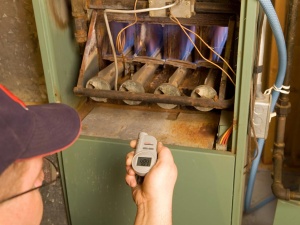
As cooler temperatures arrive in Cocoa, FL, many property owners may feel tempted to delay preventative heating maintenance. While it might seem like a way to control immediate expenses, neglecting regular service can lead to increased energy consumption, more frequent emergency repairs, and premature system failures. Here is a closer look at how putting off heating maintenance can affect your winter energy budget, especially for homes, commercial spaces, and restaurants.
… Continue Reading
Late Summer AC Check: Why Your System Is Working Hard Right Now
As late-summer temperatures persist, you may notice your air conditioner running nearly nonstop to keep your Cocoa, FL home or business comfortable. The reality is that extended heat and humidity make this one of the most demanding times of year for cooling systems. While a hardworking AC is expected, it’s important to understand why systems struggle right now and how professional attention, ranging from routine maintenance to air conditioner repair, can help you stay ahead of breakdowns and improve both comfort and efficiency.

The Strain of Late Summer Heat on Your Air Conditioner
By August and early September, homes, restaurants, and offices have relied on air conditioning through weeks of high temperatures, humid conditions, and frequent rainstorms. That constant demand causes:
- Dust and pollen buildup on air filters, restricting airflow and making your AC work harder.
- Condenser coils to accumulate debris, which prevents heat from being released efficiently.
- Wear and tear on vital components such as blower motors and capacitors.
- Elevated humidity, forcing AC units to remove moisture as well as heat, making their operation even more demanding.
This especially affects local businesses such as restaurants, where reliable restaurant refrigeration and commercial cooling are essential for food safety. If you’re experiencing hot spots in your kitchen, longer-than-usual cooling cycles, or rising utility bills, it may be time for a comprehensive system evaluation.
Common Signs of a Struggling AC in Late Summer
Recognizing the symptoms of late-season AC stress is key to avoiding unexpected breakdowns. Watch for these issues:
- The thermostat is set low, but rooms remain warm or muggy.
- Unexpected spikes in energy bills despite consistent usage habits.
- The AC unit runs continuously and rarely shuts off.
- Weak airflow or uneven cooling, especially concerning businesses storing perishables.
- Visible dirt on vents or around the outdoor condenser, or frequent on-and-off cycling.
If left unaddressed, these signs can quickly worsen, leading to more urgent and expensive air conditioner repair needs.
Preventive Steps for Residents and Restaurant Owners
Hot and humid conditions require proactive maintenance to keep AC systems operating properly. Here are a few best practices that Dittmer Air and Heat regularly encourages:
- Change air filters regularly during peak summer to support proper airflow and indoor air quality.
- Schedule professional cleaning for coils and fan blades, especially in high-traffic properties and food service environments.
- Keep outdoor units clear of leaves, grass clippings, and other debris.
- Have a qualified technician check refrigerant levels. Low refrigerant can cause weak cooling and system freeze-ups and may indicate a leak that needs professional attention.
For commercial properties, periodic indoor air quality testing can also be beneficial, not only for comfort but also for maintaining a healthier indoor environment for employees and customers.
How Routine Maintenance Prevents Costly Breakdowns
Regular service visits offer more than just peace of mind. Annual or semiannual maintenance can:
- Catch refrigerant leaks or component damage before major failures occur.
- Extend the lifespan of your AC by addressing minor issues, such as worn components or electrical problems, before they escalate.
- Confirm that system settings, including thermostat calibration and ductwork performance, are appropriate for late-summer demands.
- Provide valuable service documentation, especially for food service businesses that rely on precise temperature standards for both comfort and restaurant refrigeration.
In a hot and humid climate, these measures are essential for helping your system handle demanding conditions later into the cooling season.
Get Expert Help to Protect Your Comfort Now
If your system is struggling with the late-summer heat or you want to ensure reliable performance through the rest of the season, Dittmer Air and Heat is your trusted partner for air conditioner repair, restaurant and commercial cooling solutions, and indoor air quality testing. Give us a call at (321) 637-0170 or fill out our contact form to schedule your commercial HVAC service in Cocoa, FL.
What to Do When Your Commercial AC Stops Cooling
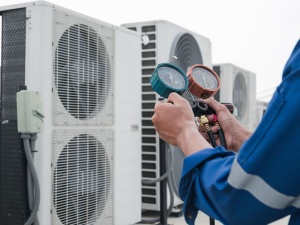
Running a business means relying on a well-functioning air conditioning system, especially during the hottest months of the year. When your commercial AC suddenly stops cooling, comfort levels drop, productivity declines, and in some environments, such as restaurants, product loss or compliance risks can escalate quickly. Knowing how to respond helps minimize downtime while protecting both your staff and customer experience.
Common Causes of Commercial AC Cooling Failures
The climate can place commercial cooling systems under significant stress. Here are some of the most common reasons your AC may not maintain the desired temperature:
- Clogged Air Filters: Commercial HVAC systems collect dust and debris more quickly because of higher occupancy and longer operating hours. A clogged filter restricts airflow, forcing your unit to work harder while reducing efficiency. Filters should be inspected at least once a month, especially during peak cooling season.
- Refrigerant Issues: Low refrigerant levels or refrigerant leaks are common, particularly in older systems or units with heavy usage. Without sufficient refrigerant, your AC cannot effectively remove heat from indoor air, preventing it from reaching the desired temperature. This type of repair should always be handled by a qualified professional.
- Dirty Coils: Both the indoor evaporator coil and the outdoor condenser coil must remain clean for efficient heat transfer. Dirt, grease, and other debris can quickly accumulate on these components, significantly reducing cooling performance and energy efficiency.
- Frozen Evaporator Coil: A blocked air filter, dirty coil, or low refrigerant level can cause the evaporator coil to freeze, preventing your AC from cooling properly. Allow the coil to thaw, check the filters and airflow, and contact a professional if the problem persists.
Troubleshooting Steps Before Calling for Service
Some preliminary checks may help resolve the issue before professional service is required:
- Check the thermostat settings and confirm it is set to “Cool.”
- Inspect the air filters and replace them if they are dirty.
- Look for visible ice buildup on AC components.
- Check the indoor and outdoor units for unusual noises or visible obstructions.
- Confirm that all supply vents and registers are open and unobstructed.
If these steps do not resolve the issue, the problem likely requires a certified HVAC technician.
Why Prompt Service Matters for Restaurants and Specialty Businesses
Many businesses depend on reliable air conditioning not only for comfort but also for regulatory compliance and protecting valuable inventory. This is especially important for food service establishments. If your facility relies on both air conditioning and restaurant refrigeration, a cooling system failure can compromise food safety, increase the risk of health code violations, and result in costly product loss. Maintaining the proper indoor temperature is essential for restaurants, cafeterias, catering businesses, and other commercial facilities.
The Link Between Cooling Failure and Indoor Air Quality
A malfunctioning commercial AC system affects more than just comfort. Restricted airflow or reduced system performance can increase indoor humidity, creating conditions that encourage mold growth. Poor cooling can also reduce ventilation, allowing pollutants and allergens to accumulate indoors. Scheduling regular indoor air quality testing helps determine whether HVAC issues are affecting your building’s environment. This is especially important for offices, schools, healthcare facilities, and restaurants where employee wellness and regulatory compliance are top priorities.
Preventative Maintenance Is Your Best Line of Defense
Routine maintenance remains the most effective way to prevent unexpected breakdowns. Regular inspections by a qualified provider like Dittmer Air and Heat can identify small issues before they become major problems or require emergency repairs. During maintenance visits, technicians inspect refrigerant levels, clean coils, examine electrical connections, and evaluate overall system performance. Preventative maintenance extends the lifespan of your equipment and helps you plan for future repairs or replacements before peak cooling season.
Call Dittmer Air and Heat for Rapid Commercial AC Solutions
If your commercial AC has stopped cooling, don’t risk additional business disruptions or costly losses. Dittmer Air and Heat provides prompt, professional HVAC air conditioner repair and comprehensive maintenance for all types of commercial buildings, from offices and medical facilities to retail stores and restaurants. We also offer indoor air quality testing testing to help ensure your workplace remains comfortable, healthy, and compliant. Give us a call at (321) 637-0170 or fill out our contact form to get started with your commercial HVAC needs in Cocoa, FL.
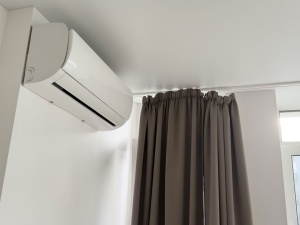
How to Slash Your Cooling Bills Without Turning Off the AC
Living in Florida means having reliable air conditioning to beat the heat. However, relying on your AC does not have to mean accepting sky-high energy bills. With long, humid summers, smart choices and proper system care can keep your space comfortable while helping you control costs. Here’s how you can enjoy cool indoor comfort while keeping your budget on track.
Block Out Heat at the Source
Direct sunlight rapidly increases indoor temperatures, forcing your AC to work harder during the sunniest days. Investing in blackout curtains or thermal drapes for sun-facing windows is a simple step that can immediately reduce heat gain. Keeping blinds closed during peak sunlight hours, typically from late morning until early evening, helps keep rooms cooler. In the evenings, when outdoor temperatures drop, you can open those coverings to let in a refreshing breeze.
Optimize Your Thermostat Settings
Raising your thermostat by even a couple of degrees can yield significant savings. Many homeowners find that 76 to 78 degrees provides a comfortable balance between efficiency and comfort, especially when paired with fans. Programmable or smart thermostats are a worthwhile investment; they allow your AC to ease off when you are away or asleep and return to your preferred temperature before you need it. According to energy studies, adjusting settings by just a few degrees when you are away can reduce annual cooling costs by up to 10%.
Use Ceiling Fans and Manage Airflow
Ceiling fans and portable fans do not cool the air, but they help you feel cooler by improving airflow and enhancing evaporation. When running your AC, set ceiling fans to rotate counterclockwise, which pushes cool air downward. This allows you to raise the thermostat setting a few degrees without sacrificing comfort. Make sure all supply and return vents remain free from obstructions such as furniture or curtains, as blocked airflow can reduce both efficiency and comfort throughout your home.
Maintain Your HVAC System for Peak Efficiency
A well-maintained AC system operates more efficiently, lasts longer, and uses less energy to keep you comfortable. Replace or clean your air filters regularly, typically every one to three months, depending on usage and local conditions. Dirty filters not only strain your system but also reduce indoor air quality. Schedule regular maintenance appointments with an HVAC air conditioner repair professional to ensure components such as coils and refrigerant levels are functioning properly before they become costly issues. Dittmer Air and Heat has extensive experience helping both homeowners and businesses improve efficiency and reliability through routine maintenance.
If you operate a commercial kitchen or need assistance with restaurant refrigeration equipment, timely maintenance is equally important. Equipment that is not operating efficiently consumes more energy, shortens its lifespan, and can even impact food safety. Routine service helps ensure dependable performance when you need it most.
Seal Leaks and Improve Home Insulation
Even small gaps around doors and windows allow heat to enter your home, forcing your AC system to work overtime. Inspect weatherstripping and seals at least twice a year, especially before summer arrives. Applying caulk around window frames and replacing worn door sweeps can prevent cool air from escaping and warm air from entering. A well-sealed home is easier to keep comfortable and results in direct energy savings.
Prioritize Indoor Air Quality
Good indoor air quality reduces allergens and helps your HVAC system operate more efficiently. Consider professional indoor air quality testing to identify issues such as mold, volatile organic compounds (VOCs), or inadequate filtration. Cleaner air means your HVAC system is less likely to become clogged with dust and contaminants, helping it run more efficiently while improving the air you breathe. Dittmer Air and Heat offers solutions tailored to the environmental conditions and allergens commonly found throughout the region.
Schedule Local and Professional Service
If you want to ensure your AC or refrigeration system is operating at peak performance, trust a local professional with the expertise to keep everything running efficiently. Dittmer Air and Heat specializes in HVAC air conditioner repair, commercial restaurant refrigeration, and indoor air quality testing, providing dependable solutions backed by extensive industry experience. If you’re located in Cocoa, FL, schedule a service visit today to keep your system running efficiently and your energy bills under control. Give us a call at (321) 637-0170 or fill out our contact form to get started.

Why Commercial HVAC Sizing Matters
Selecting the correct size for your commercial HVAC system goes far beyond a simple measurement. In hot and humid climates where energy efficiency is essential for business operations, precise HVAC sizing affects comfort, operating costs, and even occupant health. Whether you run a busy restaurant, a retail store, or a large office complex, understanding why commercial HVAC sizing matters can make a significant difference in both your bottom line and your day-to-day environment.

Understanding Commercial HVAC Load Calculation
Proper commercial HVAC sizing begins with a detailed load calculation. This process involves evaluating your building’s square footage, ceiling height, insulation levels, occupancy patterns, and even the type of equipment being used inside the space. For example, a restaurant kitchen produces much more heat than a retail showroom, requiring more advanced HVAC planning and management. Local climate conditions, including heat, humidity, and seasonal storms, also play a major role in determining the correct system size. Without accurate load calculations, businesses often end up with systems that are either too large or too small for the building.
The Risks of Incorrect HVAC System Sizing
Both oversized and undersized HVAC systems create expensive and frustrating problems:
- Oversized systems cool or heat spaces too quickly, causing frequent cycling. This increases wear and tear, raises maintenance costs, and results in poor humidity control, which can be especially problematic in humid climates.
- Undersized systems work continuously to maintain temperatures, placing excessive strain on components and increasing the likelihood of HVAC air conditioner repair. This often creates uncomfortable hot or cold spots throughout the building.
In addition to comfort issues, improper system sizing leads to higher energy bills and reduced indoor air quality. In environments that depend on restaurant refrigeration, incorrect HVAC sizing can even contribute to inconsistent cooling or food spoilage risks.
HVAC Sizing and Indoor Air Quality
A properly sized HVAC system improves airflow, ventilation, and humidity control, helping maintain consistent indoor temperatures and healthier air quality. Poorly sized systems often struggle with filtration and moisture management, exposing occupants to airborne contaminants and excess humidity. Regular indoor air quality testing is especially important in humid environments, particularly for restaurants, healthcare facilities, and other businesses with strict air quality standards.
Proper HVAC sizing also helps reduce microbial growth, which tends to thrive in high-humidity conditions. By maintaining balanced airflow and moisture levels, businesses can help minimize allergy symptoms, respiratory issues, and unpleasant indoor conditions.
How Proper Sizing Saves Money and Boosts Performance
A correctly sized HVAC system provides several long-term benefits:
- Lower monthly energy bills by reducing unnecessary system strain and excessive cycling
- Fewer unexpected breakdowns and a longer equipment lifespan, minimizing the need for HVAC air conditioner repair
- Consistent comfort for employees and customers, improving productivity and customer satisfaction
Over time, investing in proper HVAC sizing results in better performance, lower operational costs, and less downtime for both heating and cooling systems as well as restaurant refrigeration equipment.
Seasonal and Future Considerations
Businesses must account for high summer humidity, seasonal storms, and changing operational demands when designing an HVAC system. Proper sizing helps ensure your system can handle these seasonal conditions while maintaining efficiency and reliability.
Future business growth should also be considered during the planning process. Expanding dining areas, increasing office space, or adding refrigeration equipment can all impact HVAC demands. Planning ahead allows your system to adapt more effectively to future changes and avoid unnecessary upgrades later.
Partner with Cocoa’s Commercial HVAC Pros
When it comes to commercial HVAC design and installation, working with an experienced local contractor ensures your system is properly matched to your building’s needs. Dittmer Air and Heat provides professional load calculations, indoor air quality testing, HVAC air conditioner repair, and refrigeration services designed to help businesses improve comfort, efficiency, and long-term performance. If you are looking for reliable commercial HVAC solutions in Cocoa, FL, contact Dittmer Air and Heat today to schedule a professional assessment. Give us a call at (321) 637-0170 or fill out our contact form to get started.